
Hear from Our Customers
You’re not imagining that musty smell in the basement. Your allergies aren’t suddenly acting up for no reason. And that water issue you had six months ago? It might’ve left something behind.
Mold doesn’t announce itself until it’s already a problem. By the time you see visible growth, you’re looking at contamination that’s been spreading for weeks or months. Early detection is the difference between a manageable fix and a five-figure remediation bill.
Professional mold testing gives you the full picture. We’re talking lab analysis that identifies specific mold species, air sampling that catches spores you can’t see, and moisture readings that show you where the real problem is hiding. You get documentation that holds up with insurance companies, real estate transactions, and your own confidence about what’s actually happening inside your walls.
We’ve been handling mold issues across Trumbauersville and Bucks County for years. We’ve tested everything from century-old farmhouses near the Delaware River to newer developments dealing with construction moisture issues.
Bucks County’s humid summers and damp winters create perfect conditions for mold growth. Older homes in Trumbauersville often have basements that weren’t built with modern moisture barriers, and even newer properties can develop problems around HVAC systems, windows, and plumbing. We’ve seen it all, and we know exactly where to look.
When you call us, you’re getting someone who understands local construction styles, seasonal moisture patterns, and the specific challenges that come with properties in this area. We’re not reading from a script or treating your home like every other job.
We start with a complete visual assessment of your property. That means checking the obvious spots and the places most homeowners never think to look—behind appliances, inside HVAC systems, around window frames, basement corners, and anywhere moisture tends to collect.
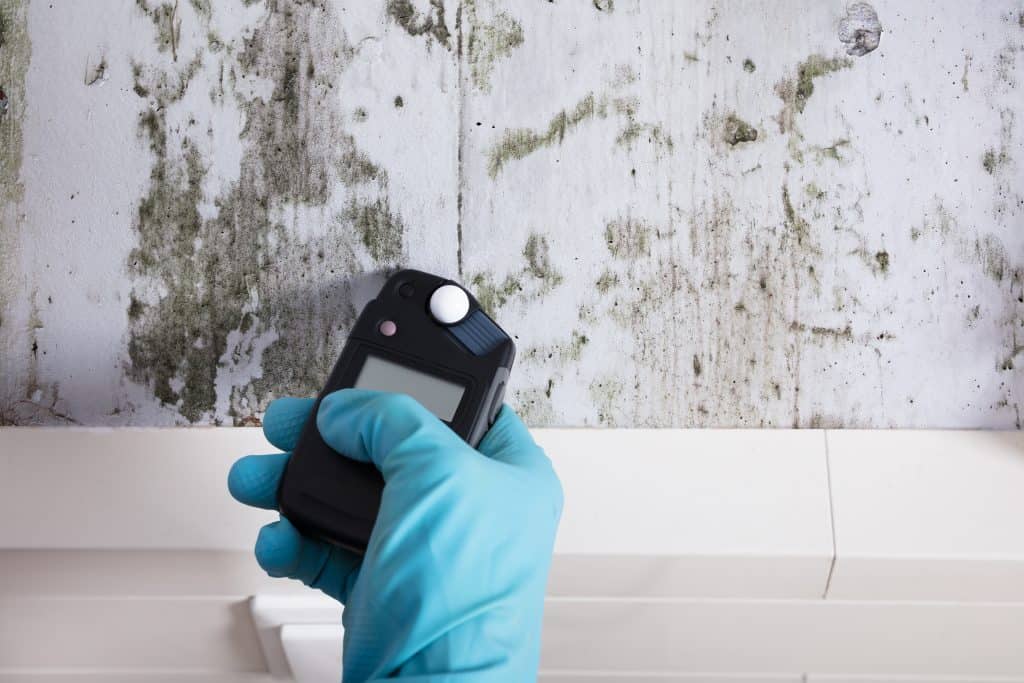
Next comes the technology. We use infrared cameras to detect temperature differences that indicate moisture problems behind walls. Digital moisture meters give us exact readings on building materials. If we find elevated moisture levels or visible growth, we take air samples and surface samples that go to a certified laboratory for analysis.
The lab identifies specific mold species and concentration levels. You get a detailed report that includes lab results, photographs, moisture readings, and a clear explanation of what everything means. We walk you through the findings and tell you exactly what needs attention and what doesn’t. If remediation is necessary, you’ll know the scope before any work starts. If your property is clear, you have documentation proving it.
Ready to get started?
Every mold testing appointment includes a thorough visual inspection of your entire property, not just the area where you noticed a problem. We check attics, basements, crawl spaces, bathrooms, kitchens, and anywhere else moisture could be an issue.
You get infrared thermal imaging to detect hidden moisture, digital moisture meter readings on walls and floors, and professional air sampling that compares your indoor air quality to outdoor baseline levels. Surface samples are taken from any visible growth or suspicious areas.
All samples go to certified laboratories that specialize in mold identification. Your report breaks down exactly what species are present, at what concentration levels, and whether those levels are normal or concerning. We include photographs, moisture readings, and a clear explanation of findings written in plain language.
Bucks County’s older housing stock means many Trumbauersville homes have basements with stone foundations or minimal waterproofing. These areas are especially vulnerable during humid summer months when condensation builds up. Our testing process accounts for these local factors and gives you specific recommendations based on your property’s age, construction type, and the moisture patterns we’re seeing.
Most residential mold inspections in Trumbauersville run between a few hundred to several hundred dollars, depending on your property size and how many samples need lab analysis. A typical single-family home with one or two areas of concern usually falls on the lower end. Larger properties or situations requiring multiple air samples and surface tests cost more.
Here’s what affects pricing: square footage, number of samples taken, and whether you need thermal imaging for hidden moisture detection. Lab analysis is the biggest variable—each sample sent for testing adds to the total cost, but it’s also what gives you actual answers instead of guesswork.
Compare that to the cost of ignoring a mold problem. Extensive remediation can run anywhere from $3,000 to $20,000 depending on how far contamination has spread. Early testing catches issues while they’re still manageable. You’re looking at a few hundred dollars now versus potentially tens of thousands later if moisture problems go unaddressed.
We give you upfront pricing before starting any work. No surprises, no hidden fees. You know exactly what you’re paying for and why.
DIY test kits from hardware stores can tell you if mold spores are present, but that’s about it. Mold spores exist in every home—what matters is the type of mold and the concentration levels. A positive result from a home kit doesn’t tell you if you have a problem or just normal background levels.
Professional mold testing uses calibrated air sampling equipment that measures spore counts per cubic meter and compares your indoor levels to outdoor baseline readings. We’re not just detecting presence—we’re quantifying concentration and identifying specific species. Some molds are relatively harmless. Others, like Stachybotrys (black mold), produce mycotoxins that cause serious health issues.
The other limitation of DIY kits is they only test where you place them. If you’re testing a bathroom but the real problem is hidden behind a wall in your basement, you’ll miss it entirely. Professional testing includes thermal imaging and moisture detection that finds contamination in areas you can’t easily access. We’re looking at the whole picture, not just one spot.
You also get a detailed report that holds up with insurance companies and real estate transactions. A DIY kit won’t give you that documentation.
The on-site inspection typically takes two to three hours for an average-sized home. That includes the visual assessment, moisture readings, thermal imaging, and collecting air and surface samples. Larger properties or homes with multiple areas of concern take longer.
Lab results usually come back within three to seven business days. Certified laboratories need time to culture samples and identify specific mold species under microscopic analysis. Some labs offer rush processing for an additional fee if you’re in a time-sensitive situation like a real estate closing.
Once we receive the lab results, we put together your complete report with photographs, moisture readings, lab findings, and our professional interpretation of what everything means. We’ll schedule a follow-up call or meeting to walk you through the results and answer any questions. You’re not just getting a stack of papers—you’re getting a clear explanation of what’s happening in your home and what steps to take next.
If we find elevated moisture levels during the inspection but no visible mold growth, we’ll tell you that immediately. You don’t have to wait for lab results to know if there’s a moisture problem that needs attention.
Visible mold is just the tip of the problem. By the time you see growth on walls or ceilings, contamination has usually been developing for weeks or months. Air sampling catches mold spores from hidden colonies growing behind drywall, under flooring, or inside wall cavities.
There are specific situations where testing makes sense even without visible growth. If you’ve had any water damage—leaking pipes, roof leaks, flooding, even minor incidents—moisture can create mold problems in hidden areas. If anyone in your home is experiencing unexplained respiratory issues, persistent allergies, or sinus problems that improve when they leave the house, that’s a red flag worth investigating.
Real estate transactions are another common reason for testing. If you’re buying a home in Trumbauersville, especially an older property, mold testing gives you documentation before you close. If you’re selling, testing can prevent deals from falling apart over undisclosed mold issues. Pennsylvania disclosure laws require sellers to report known material defects, and mold is one of the most common deal-breakers in Bucks County real estate.
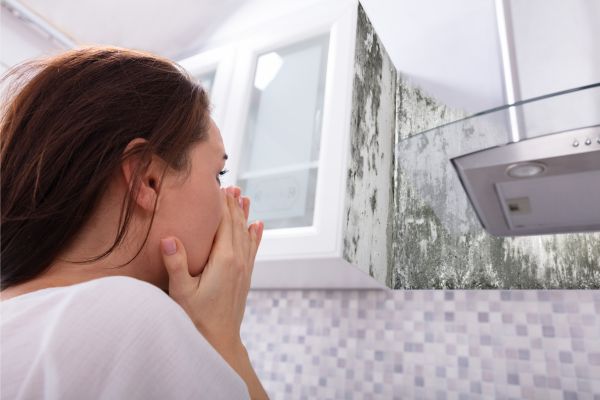
Musty odors are another indicator. If you smell that distinctive damp, earthy smell but can’t locate the source, there’s likely mold growing somewhere you can’t see. Professional testing finds it.
Bucks County’s climate creates ideal conditions for several mold species. Cladosporium and Penicillium are the most common—they thrive in humid environments and often show up in bathrooms, basements, and around windows where condensation builds up. These aren’t typically dangerous to healthy individuals, but they can trigger allergies and respiratory irritation.
Aspergillus is another frequent find, especially in homes with poor ventilation or previous water damage. Some Aspergillus species produce mycotoxins that cause more serious health effects, particularly for people with compromised immune systems or existing respiratory conditions.
Stachybotrys chartarum—commonly called black mold—is less common but shows up in homes with significant moisture problems or previous flooding. This species produces mycotoxins linked to neurological symptoms, chronic fatigue, and severe respiratory issues. It typically grows on materials with high cellulose content like drywall, wood, and paper when they stay wet for extended periods.
Older homes in Trumbauersville with stone foundations or minimal waterproofing are especially prone to basement mold issues. The combination of ground moisture, poor air circulation, and humid summer weather creates perfect growing conditions. Professional testing identifies exactly which species you’re dealing with so you know whether you’re looking at a minor issue or something that requires immediate attention.
Professional mold testing provides the documentation insurance companies need to process claims, but coverage depends on what caused the mold growth. Most homeowners policies cover mold remediation if it resulted from a covered peril—like a burst pipe, storm damage, or sudden appliance failure. They typically don’t cover mold from long-term maintenance issues like chronic leaks or poor ventilation.
The key is proving the timeline and cause. If you had a water heater fail and mold developed as a direct result, that’s usually covered. If mold grew over months or years because of a slow leak you didn’t address, insurance will likely deny the claim. Professional testing establishes what type of mold is present, the extent of contamination, and helps document that it resulted from a specific incident rather than neglect.
Our detailed reports include lab results, photographs, moisture readings, and professional findings that insurance adjusters take seriously. We’ve worked with numerous homeowners in Bucks County through the claims process. The documentation we provide gives you a much stronger case than trying to file a claim based on your own observations.
Even if insurance doesn’t cover the full remediation cost, testing still protects you. You’ll know the exact scope of the problem and can make informed decisions about next steps. And if you’re dealing with a rental property or commercial building, professional documentation is essential for liability protection.
Other Services we provide in Trumbauersville